📢 Update: You can now contact us by landline 02 6685 6722 or Shop Mobile 0490 078 621 — available for both calls and texts.
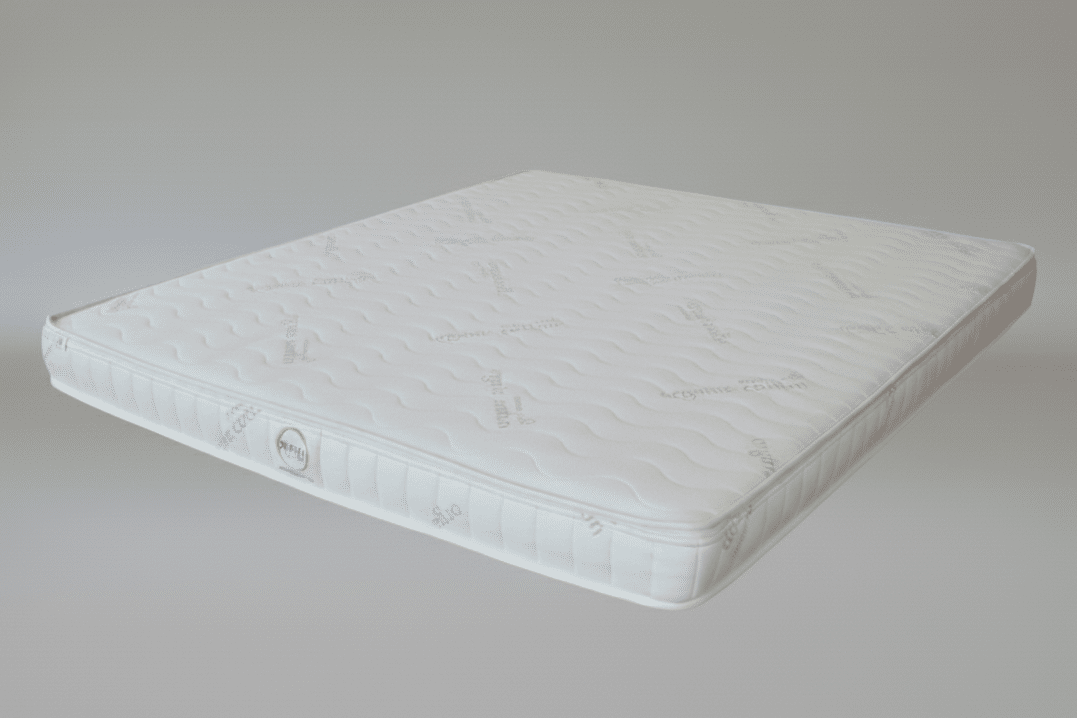
latex mattress sag is one of the biggest worries people have when investing in a premium bed, especially if you are buying for long-term comfort, joint support, and peace of mind. The good news is that latex is widely considered one of the most durable mattress materials available. Still, any mattress can develop dips if it is unsupported, overworked, or poorly cared for. Let’s break down what “sagging” really means, why it can happen, and how to keep your mattress feeling supportive for years.
When most people say latex mattress sag, they may be describing two different things:
Latex, especially high-quality natural or certified organic latex, is naturally resilient. It springs back, resists permanent compression, and tends to hold its shape better than many foams. That resilience is exactly why latex is often chosen by health-conscious sleepers who want consistent support night after night.
Even though latex is tough, latex mattress sag can still happen in certain conditions. Here are the most common culprits:
A mattress is only as good as what supports it. If slats are too far apart, bowed, broken, or sitting on a flexible frame, the mattress can sink into gaps. Over time, this can create uneven wear and lead to body impressions.
Tip: Use a sturdy base with closely spaced slats and strong centre support, especially for queen and king sizes.
Sleeping in the exact same position on the exact same side for years can cause more wear in that zone. Latex is resilient, but repeated load in one area can gradually change feel.
This is one reason couples sometimes notice one side feels different from the other, particularly if one partner is heavier or spends more time in bed reading or recovering.
Latex itself handles humidity reasonably well, but moisture can affect surrounding components, such as the cover and what sits beneath the mattress. Damp environments can also stress your sleep system as a whole.
If your bedroom tends to feel humid, improving airflow and reducing moisture can help your mattress, your bedding, and your overall comfort.
Not all “latex mattresses” are equal. Some products use only a thin latex layer over cheaper foam. In those cases, you might blame latex mattress sag, but the weak point is actually the lower-quality support core underneath.
If you are choosing latex for durability, look for mattresses where latex is doing the heavy lifting, not just acting as a thin topper.
A practical way to check is to lay a straight edge or a broom handle across the mattress surface and measure the deepest point. If the dip is noticeable and affects comfort, alignment, or pain levels, it matters.
A small change in feel is normal. A dip that pulls your hips down, twists your spine, or makes you wake with stiffness is not.
If latex mattress sag is affecting your sleep, your body will usually tell you first: more tossing and turning, hip or lower back soreness, or waking up feeling less restored.
If you want to avoid latex mattress sag and keep that “fresh support” feeling, focus on these simple habits:
Choose a solid, level base with strong centre support. A well-built timber bed frame can make a huge difference in how the mattress performs.
Many one-sided mattresses benefit from rotating head-to-toe every 3 to 6 months. It helps distribute wear more evenly.
A good mattress protector can prevent sweat, spills, and everyday moisture from working into the cover and layers. It is a small addition that can make a big difference for hygiene and longevity.
Loose screws, warped slats, or a sagging centre rail can quietly create problems that look like mattress failure. Fixing the base may solve the issue immediately.
One of the smartest ways to reduce the risk of latex mattress sag is to invest in a mattress made with durable materials from the start. At Zentai Living, the Certified Organic Latex Mattress range is designed with natural latex and an organic cotton cover in multiple profiles, so you can match comfort and support to your body and sleep style.
For many people aged 60 plus, comfort is not just about softness. It is about stable support, easy movement, and waking up without aches. Latex naturally responds to pressure without the “stuck” feeling some foams create, which can help if you have arthritis or stiffness and need to change position during the night.
It can also be a reassuring option if you value natural materials, a cleaner sleep environment, and a mattress that is built to last. If latex mattress sag is your worry, choosing certified organic latex and pairing it with a proper base is a strong strategy.
Myth: All mattresses sag, so it doesn’t matter what you buy.
Reality: Materials vary massively. Latex generally outperforms many foams in long-term shape retention.
Myth: A thicker mattress can’t sag.
Reality: Thickness helps, but quality and support beneath matter more.
Myth: Sagging is always the mattress’s fault.
Reality: A poor foundation is often the hidden cause behind latex mattress sag complaints.
If you want long-term confidence, look for:
So, will a latex mattress sag over time? It can, but high-quality latex is designed to resist permanent dips far better than many alternatives. In most cases, what people call latex mattress sag is either normal settling or a support issue underneath the mattress. Choose a well-made organic latex mattress, set it up on a strong base, protect it from moisture, and rotate when appropriate, and you will give yourself the best chance of enjoying years of stable, comfortable sleep.
If you are ready to upgrade your sleep setup, explore Zentai Living’s Certified Organic Latex Mattress options with 100% organic cotton covers, and pair them with a sturdy bed frame for the kind of support your body will thank you for.