Christmas & New Year Break: Our shop is closed 25 December – 7 January. You can still place orders online, and they’ll be processed when we return on 8 January.
Christmas & New Year Break: Our shop is closed 25 December – 7 January. You can still place orders online, and they’ll be processed when we return on 8 January.
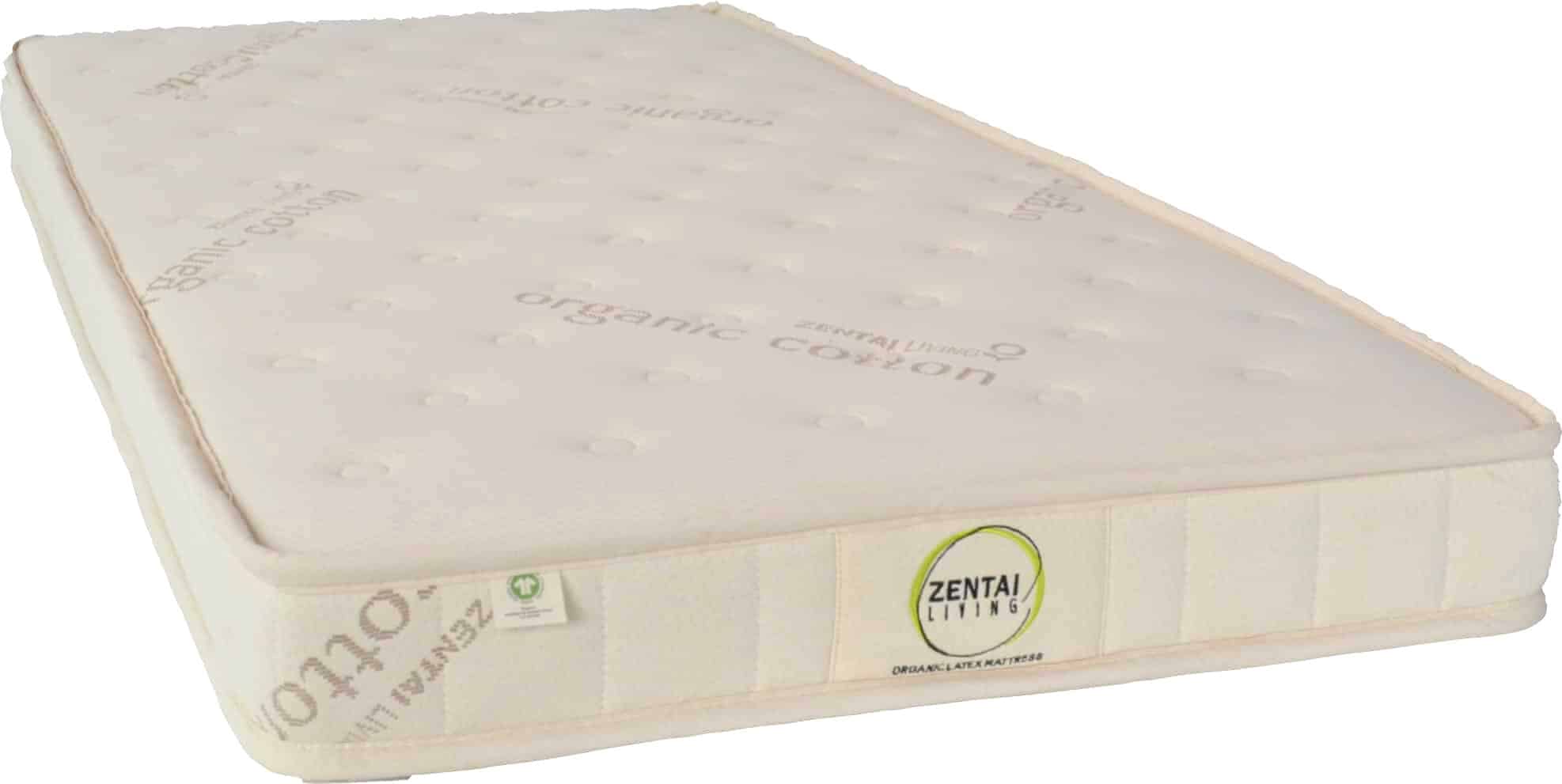
Fire safety standards matter for any mattress you bring into your home, and latex models are no exception. People hear that latex is “naturally fire resistant” and assume that means automatic compliance. In reality, whether a latex mattress is legal to sell depends on the completed product as a system: the latex core, the cover fabric, quilting, thread, and the fire barrier design.
Yes, many latex mattresses do meet fire safety standards, but not simply because they contain latex. In regulated markets, the finished mattress must pass specific ignition performance tests before it can be sold. The material inside can be latex, foam, coils, or a hybrid, but the product must still meet the rules for that country.
In the United States, the Consumer Product Safety Commission explains that there are two federal mattress flammability standards: 16 C.F.R. Part 1632 (smoldering) and 16 C.F.R. Part 1633 (open flame). These are performance standards that mattress products must meet before sale or introduction into commerce.
So if you are shopping in the U.S., a latex mattress offered by a legitimate brand should be built to comply. The important part is verifying that you are buying a compliant finished mattress, not a loose DIY stack of materials with unknown behavior in a fire test.
Latex can burn under sufficient heat. It may char differently than some foams, but the ticking, quilting, and any plush layers can ignite first, and once a fire grows, resilient materials can contribute fuel.
That is why manufacturers design and test the whole mattress assembly. The same latex core can pass in one construction and fail in another if the cover knit, quilting thickness, or added comfort layers change. Even adding a thick topper or a different encasement can change how quickly heat reaches the surface materials. A mattress may meet fire safety standards as sold, but the altered setup may not behave the same way in a real emergency.
To meet fire safety standards, brands rely on fire barriers and cover constructions that slow ignition and limit flame growth. Common approaches include:
The goal is consistent even when the materials vary: reduce ignition risk and slow fire growth to improve escape time. The U.S. open flame standard describes limiting the size of the fire generated by a mattress set during a 30 minute test.
In the U.S., you will typically see compliance tied to both federal parts. The smoldering rule addresses ignition from smoldering sources, and the open flame rule addresses larger ignition sources and heat release limits during testing. Both standards are identified by the CPSC as Parts 1632 and 1633.
For shoppers, the practical takeaway is simple: do not focus only on whether the mattress is latex. Instead, look for a clear compliance statement or law tag, and a brand that can explain its barrier strategy. A straightforward explanation is a strong sign the product was engineered to meet fire safety standards, not assembled casually.
In the UK, requirements for domestic upholstered furniture are set through the Furniture and Furnishings (Fire) (Safety) Regulations 1988, with later amendments. Official guidance for businesses explains changes made by the 2025 Amendment Regulations, which came into force on 30 October 2025.
If you are buying for a contract environment such as hospitality, student accommodation, or care settings, you may be asked for more specific documentation than a typical retail shopper would request. Compliance support organizations commonly point businesses back to the GOV.UK guidance when assessing what applies in Great Britain and Northern Ireland.
Outside the U.S. and UK, the tests and labeling requirements can differ. Some places rely on national rules, some use voluntary standards, and some apply stricter expectations for commercial supply like hotels or serviced rentals. If you are importing a latex mattress or buying from an overseas marketplace seller, confirm which test method the manufacturer designed for and whether the paperwork matches your local fire safety standards. When a seller cannot name the standard, that is a red flag.
Many latex brands advertise “no added chemical flame retardants.” Often that means the mattress uses a physical barrier layer (for example a wool quilt or a silica based sock) rather than a topical chemical treatment. That can be a reasonable choice, but the key question is still whether the complete product meets the required fire safety standards in your market.
If you want confidence that a latex mattress meets fire safety standards, use this checklist:
These steps help you verify fire safety standards without relying on marketing phrases like “natural” or “chemical free.”
Even when a mattress meets fire safety standards, remember that standards reduce risk; they do not eliminate it. Keep bedding away from heaters, avoid smoking in bed, charge devices safely, and ensure smoke alarms are installed and working. A compliant mattress can slow a fire’s growth, but detection and safe habits matter most.
Ready to choose a latex mattress that aligns with fire safety standards and fits your comfort preferences? Visit the shop to compare latex mattress options, review the barrier and compliance details, and pick the right firmness and size for your space. Shop now and sleep easier knowing you selected a mattress designed for comfort and safety.